
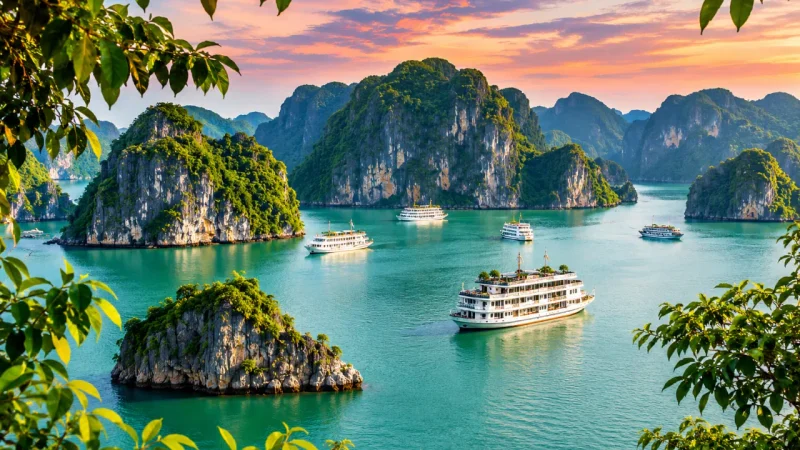
Planning a trip to Vietnam from India? Vietnam is one of Southeast Asia’s most exciting destinations, offering vibrant cities, breathtaking landscapes, beautiful beaches, delicious food and memorable experiences—all at a relatively affordable cost.
From exploring the historic streets of Hanoi and cruising through Ha Long Bay to discovering the lantern-lit streets of Hoi An and the energy of Ho Chi Minh City, Vietnam offers something for every kind of traveller.
This guide covers everything Indian travellers need to plan their Vietnam trip, including estimated costs, visa requirements, the best time to visit, flights, destinations, itineraries, accommodation, transportation and practical travel tips.
Whether you’re planning your first international holiday or looking for your next adventure, this guide will help you plan your Vietnam journey with confidence.
Vietnam at a Glance
| Detail | Information |
| Country | Vietnam |
| Capital | Hanoi |
| Currency | Vietnamese Dong (VND) |
| Language | Vietnamese |
| Time zone | GMT+7 |
| Best for | Culture, beaches, food, nature & adventure |
| Ideal trip duration | 7–10 days |
| Budget | Budget to mid-range |
| Popular destinations | Hanoi, Ha Long Bay, Da Nang, Hoi An & Ho Chi Minh City |
| International travellers | Indian passport holders require appropriate entry permission |
How Much Does a Vietnam Trip Cost from India?
Vietnam Trip Cost from India: Budget Breakdown
Vietnam can be an affordable international destination for Indian travellers, particularly when flights are booked early, accommodation is shared and local food and transport are used.
The total cost depends on your departure city, travel season, accommodation choices, domestic flights and sightseeing activities.
Estimated Cost of a 7-Day Vietnam Trip
Approximate cost per person for a 7-day trip, assuming accommodation is shared with another traveller:
| Expense | Budget Travel | Mid-Range Travel |
|---|---|---|
| Return flights from India | ₹21,000–28,000 | ₹25,000–35,000 |
| Vietnam e-Visa | ₹2,400 | ₹2,400 |
| Accommodation (7 nights) | ₹4,000–7,000 | ₹21,000–36,000 |
| Food and drinks | ₹6,000–9,000 | ₹10,500–16,000 |
| Local transport | ₹2,000–3,500 | ₹4,000–6,500 |
| Domestic flights | ₹6,500–11,000 | ₹9,000–15,000 |
| Sightseeing and activities | ₹7,000–13,000 | ₹12,000–19,000 |
| eSIM and travel insurance | ₹1,000–2,000 | ₹1,500–3,000 |
| Estimated total | ₹50,000–74,000 | ₹86,000–1,32,000 |
These are approximate planning estimates, not guaranteed prices. Costs vary with travel dates, airline fares, hotel availability, exchange rates and the activities you choose. The mid-range estimate may include a higher standard of accommodation or an overnight cruise.
How to Travel Vietnam on a Budget
- Book international flights several weeks or months in advance.
- Travel outside major holiday periods where possible.
- Stay in guesthouses, hostels or affordable hotels.
- Share accommodation costs when travelling with family or friends.
- Eat at local restaurants and street-food establishments.
- Use Grab, public transport and airport transfers strategically.
- Compare day cruises with overnight cruises in Ha Long Bay.
- Avoid adding too many domestic flights to a short itinerary.
Is Vietnam Affordable for Indian Travellers?
Yes. Vietnam can offer excellent value for money compared with many other international destinations. Travellers can experience historic cities, beaches, scenic landscapes, local cuisine and cultural attractions without necessarily spending a large amount.
For a comfortable first trip, a budget of approximately ₹60,000–₹90,000 per person is a reasonable planning target, although your actual expenses may be lower or higher depending on your travel style.
Vietnam Visa Requirements for Indian Citizens
Indian passport holders generally need a visa to visit Vietnam. For most tourists, the Vietnam electronic visa (e-Visa) is the easiest option and can be applied for online before departure.
Vietnam e-Visa Details
| Requirement | Details |
|---|---|
| Visa required | Yes, for mainland Vietnam |
| Visa type | Electronic Visa (e-Visa) |
| Maximum validity | Up to 90 days |
| Single-entry fee | USD $25 |
| Multiple-entry fee | USD $50 |
| Processing time | Usually 3–5 working days |
| Application website | https://evisa.gov.vn |
| Passport validity | Recommended minimum 6 months |
How to Apply
- Visit the official Vietnam e-Visa website.
- Fill in your passport and travel details.
- Upload your passport photograph and passport information page.
- Select single-entry or multiple-entry visa.
- Pay the applicable fee online.
- Track your application and download your approved e-Visa.
Apply well in advance of your trip. Although processing may take only a few working days, delays can occur.
Important: Apply only through the official Vietnamese immigration website. Many third-party websites charge additional service fees.
Before travelling, check that your approved e-Visa details—including your name, passport number, entry date and designated entry port—are correct.
Official application portal: https://evisa.gov.vn
Best Time to Visit Vietnam.
Vietnam is a long country with different weather patterns across its northern, central and southern regions. There is no single perfect month to visit every destination, so the best time to travel depends on your itinerary.
For travellers planning to explore multiple regions, March and April are generally among the best months for balancing weather conditions across much of the country.
Best Time to Visit by Region
| Region | Destinations | Best Months | Weather |
|---|---|---|---|
| Northern Vietnam | Hanoi, Ha Long Bay, Ninh Binh, Sapa | March–April and October–November | Pleasant spring and autumn weather |
| Central Vietnam | Da Nang, Hoi An, Hue | February–August | Generally drier, with hot weather during summer |
| Southern Vietnam | Ho Chi Minh City, Mekong Delta | December–April | Warm, sunny and relatively dry |
| Phu Quoc Island | Beaches and island resorts | November–April | Drier weather and better beach conditions |
Vietnam by Season
March and April – Great for exploring
These months are ideal for exploring several parts of Vietnam. Northern destinations are becoming warmer, Central Vietnam generally has pleasant conditions, and the South is still in its dry season.
May to August – Summer and tropical showers
Northern Vietnam can be hot, humid and rainy. Central Vietnam is generally hotter but often relatively dry, making Da Nang and beach destinations attractive. Southern Vietnam experiences its rainy season, with frequent showers.
September to November – Autumn and changing weather
Northern Vietnam often enjoys pleasant autumn weather. However, Central Vietnam experiences its rainy season, and typhoons or flooding may affect destinations such as Hue and Hoi An. The South gradually transitions toward drier weather.
December to February – Winter in the North, dry season in the South
Northern Vietnam can be cool or cold, particularly in mountain destinations such as Sapa. Central Vietnam gradually becomes drier, while Southern Vietnam generally enjoys warm, sunny weather.
Which Month Should You Choose?
- March–April: One of the best periods for a multi-region Vietnam itinerary.
- October–November: Excellent for Northern Vietnam, but check weather conditions before visiting Central Vietnam.
- December–February: Ideal for Southern Vietnam and many beach destinations.
- June–August: Suitable for Central Vietnam beach holidays, but expect heat and possible storms elsewhere.
Always check local weather forecasts before booking cruises, trekking activities or outdoor excursions, particularly during typhoon season.
How to Travel to Vietnam from India
Vietnam is well connected to India, with direct flights available on selected routes from major Indian cities. Depending on your departure city and destination, you may be able to fly nonstop or connect through another Asian hub.
The most popular international gateways in Vietnam are:
- Hanoi (HAN): Ideal for exploring northern Vietnam, including Ha Long Bay, Ninh Binh and Sapa.
- Ho Chi Minh City (SGN): Best for southern Vietnam, the Mekong Delta and onward connections to Phu Quoc.
- Da Nang (DAD): Convenient for central Vietnam, including Hoi An, Hue and the beaches of Da Nang.
Direct and connecting flight options change according to airline schedules and season, so always check availability for your dates before booking.
| Departure city | Popular Vietnam gateway |
| Delhi | Hanoi / Ho Chi Minh City |
| Mumbai | Hanoi / Ho Chi Minh City |
| Bengaluru | Hanoi / Ho Chi Minh City |
| Hyderabad | Hanoi / Ho Chi Minh City |
| Kolkata | Hanoi |
| Chennai | Connecting flights |
Find Flights to Vietnam
Compare flight options from your city to Vietnam and find the best route and fare for your travel dates.
Best Places to Visit in Vietnam
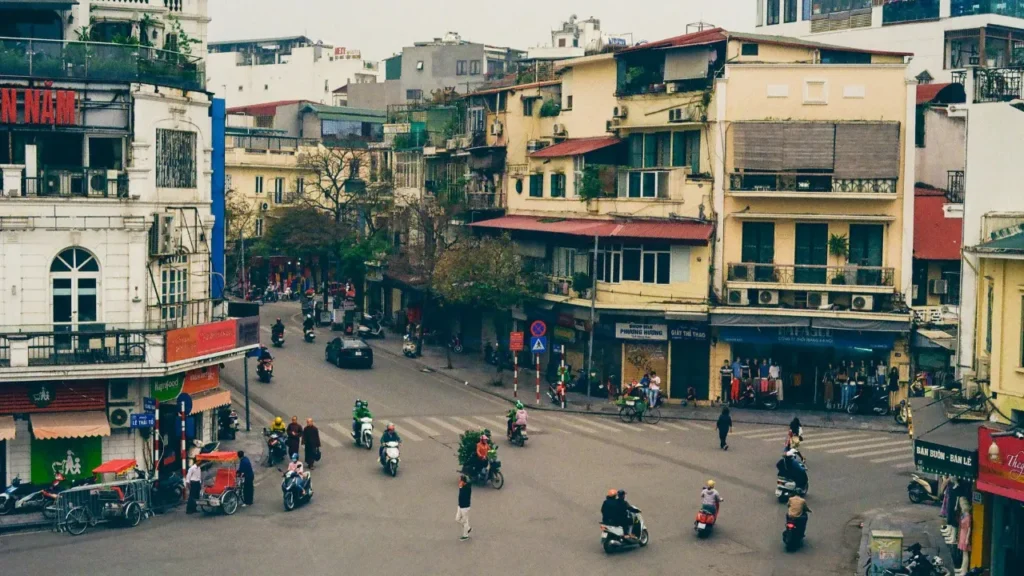
Hanoi, Vietnam’s capital, is a fascinating blend of traditional culture, colonial architecture, street food and modern city life. Its lively Old Quarter is filled with narrow streets, cafés, markets and local eateries.
Top things to do in Hanoi:
- Explore Hanoi’s Old Quarter
- Visit Hoan Kiem Lake
- See the Temple of Literature
- Try authentic Vietnamese street food
- Visit the Ho Chi Minh Mausoleum complex
- Enjoy Vietnamese coffee at a local café
Recommended stay: 2–3 days
Ha Long Bay
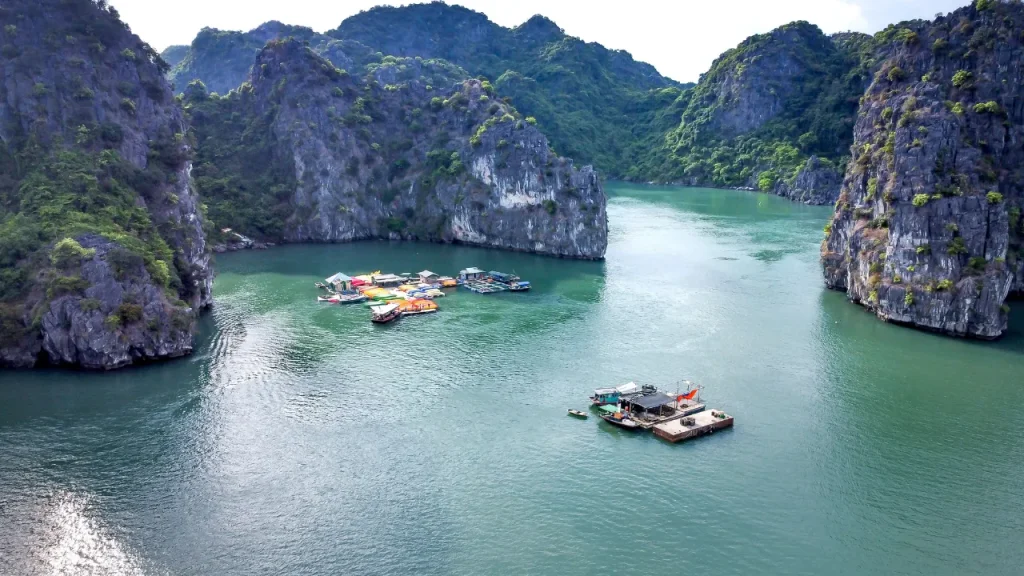
Ha Long Bay is one of Vietnam’s most iconic natural attractions, famous for its emerald waters and thousands of limestone islands rising dramatically from the sea. A cruise through the bay is one of the experiences many travellers consider essential when visiting northern Vietnam.
Top things to do in Ha Long Bay:
- Take a day cruise or overnight cruise
- Explore limestone caves
- Kayak through scenic lagoons
- Enjoy panoramic views of the bay
- Experience an overnight cruise with meals and activities
Recommended stay: 1–2 days
Da Nang
Da Nang is a coastal city known for its sandy beaches, scenic mountains, modern bridges and relaxed atmosphere. It is an excellent base for exploring central Vietnam and is particularly popular among travellers looking for a combination of beach relaxation and sightseeing.
Top things to do in Da Nang:
- Relax at My Khe Beach
- Visit the Marble Mountains
- Explore the Son Tra Peninsula
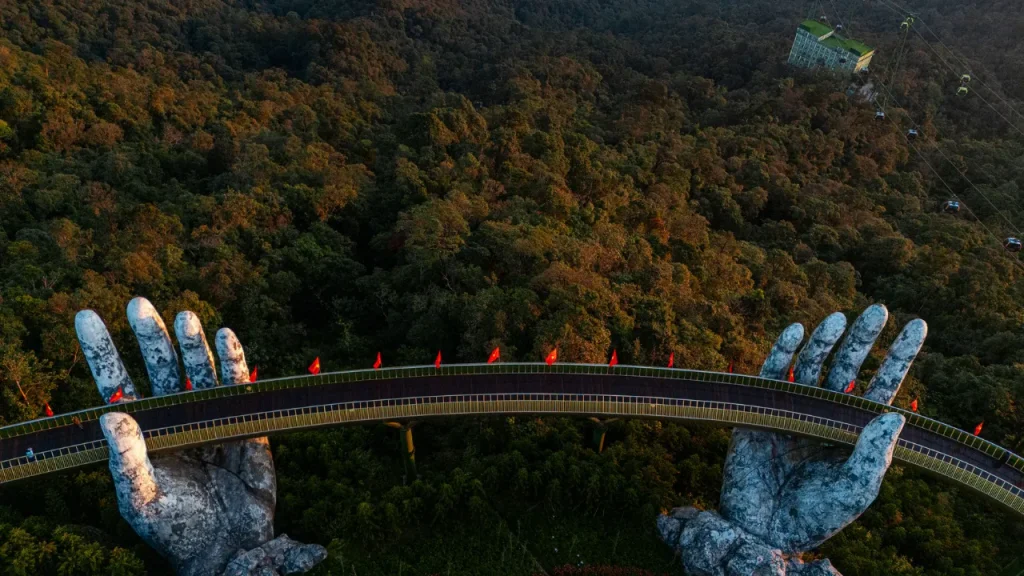
- See the famous Golden Bridge at Ba Na Hills
- Enjoy the Dragon Bridge
- Sample local Vietnamese cuisine
Recommended stay: 2–3 days
Da Nang is also a convenient base for visiting the charming ancient town of Hoi An, located nearby.
Hoi An
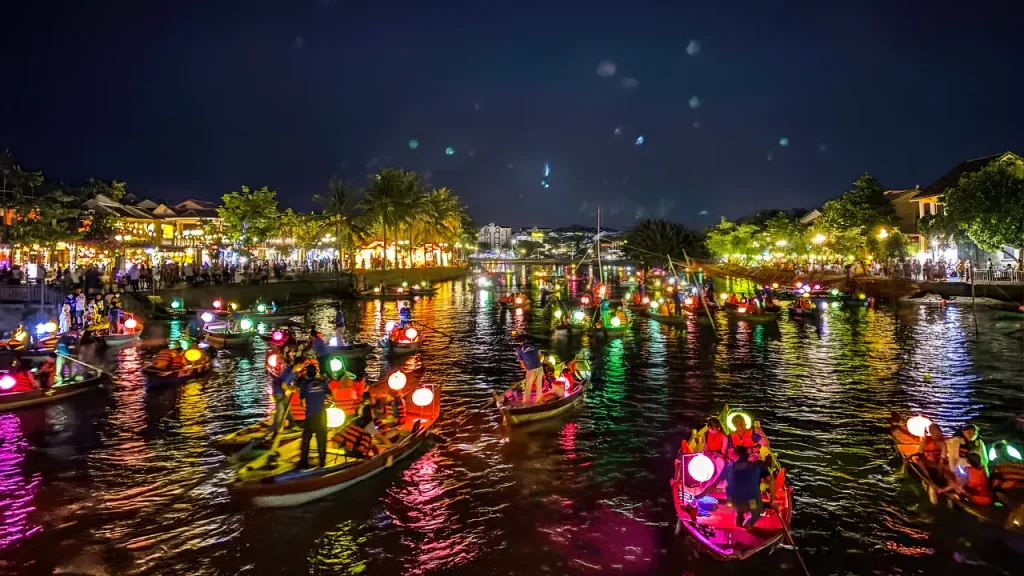
Hoi An is one of Vietnam’s most charming destinations, famous for its lantern-lit streets, historic architecture, riverside cafés and vibrant night markets. The town’s well-preserved Ancient Town reflects centuries of cultural influences and is a wonderful place to slow down and explore on foot.
Top things to do in Hoi An:
- Walk through the UNESCO-listed Ancient Town
- Visit the Japanese Covered Bridge
- Experience the colourful lantern streets at night
- Take a boat ride on the Thu Bon River
- Explore local markets and cafés
- Visit nearby An Bang Beach
- Try Vietnamese cooking classes
Recommended stay: 1–2 days
Hoi An is easily accessible from Da Nang, making it an ideal day trip or an overnight stay during a central Vietnam itinerary.
Ho Chi Minh City (formerly Saigon)
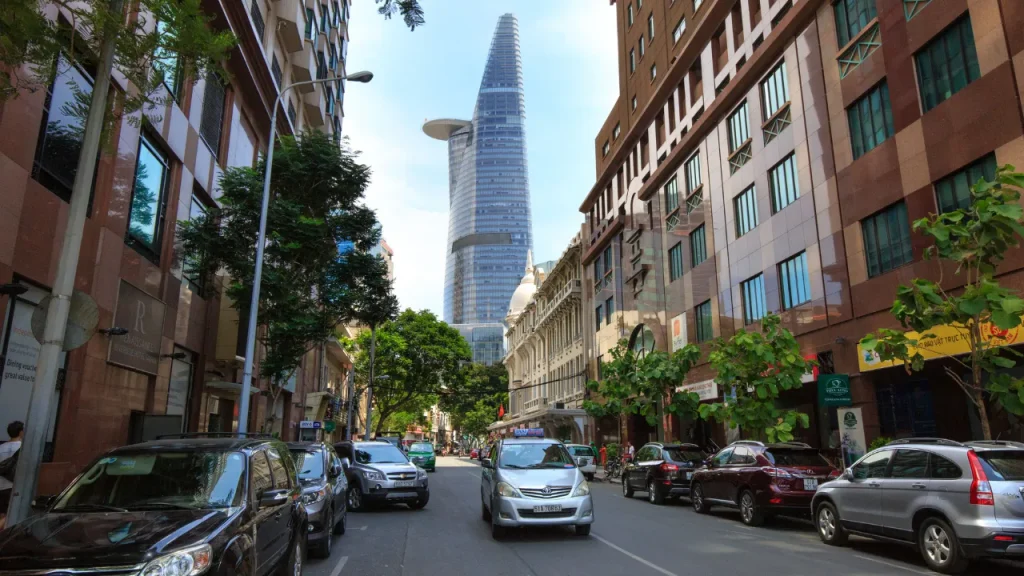
Ho Chi Minh City is Vietnam’s largest city and a vibrant destination filled with bustling markets, historic landmarks, modern skyscrapers, cafés and exciting street-food culture. It offers a fascinating glimpse into Vietnam’s history while showcasing the energy of contemporary urban life.
Top things to do in Ho Chi Minh City:
- Visit the War Remnants Museum
- Explore the Independence Palace
- See Notre-Dame Cathedral Basilica and the Central Post Office
- Shop at Ben Thanh Market
- Explore the city’s cafés and street-food scene
- Take a day trip to the Cu Chi Tunnels
- Experience the Mekong Delta on a day tour
Recommended stay: 2–3 days
Ho Chi Minh City is an excellent starting point for exploring southern Vietnam and connecting to other destinations across the country.
Vietnam 7-Day Itinerary for First-Time Visitors
If you’re visiting Vietnam for the first time and have approximately one week, it’s best to focus on a few destinations rather than trying to explore the entire country.
This itinerary combines northern and central Vietnam, allowing you to experience the country’s culture, landscapes, historic towns and beautiful scenery without making the trip too rushed.
You can adjust this itinerary depending on your arrival airport, departure city, budget and travel preferences.
Days 1–2: Hanoi
Day 1: Arrive in Hanoi, check into your accommodation and explore the Old Quarter. Enjoy a relaxed evening walking around Hoan Kiem Lake and sampling Vietnamese street food.
Day 2: Visit the Temple of Literature, explore the city’s historic attractions, enjoy local cafés and experience Hanoi’s food scene.
Day 3: Ha Long Bay
Travel to Ha Long Bay and enjoy a cruise through its spectacular limestone landscapes. Depending on your chosen cruise, you can explore caves, kayak, enjoy onboard meals and admire the scenery.
An overnight cruise is a memorable option if your budget and schedule allow.
Travel to Ha Long Bay and enjoy a cruise through its spectacular limestone landscapes. Depending on your chosen cruise, you can explore caves, kayak, enjoy onboard meals and admire the scenery.
Days 4–5: Da Nang
Travel to Da Nang and spend time relaxing at My Khe Beach, exploring the Marble Mountains or visiting the Son Tra Peninsula.
On the second day, consider visiting Ba Na Hills and the famous Golden Bridge, or spend the day exploring Da Nang at a relaxed pace.
Day 6: Hoi An
Take a trip to Hoi An and explore the Ancient Town, colourful lantern streets, local markets and riverside cafés.
Stay until the evening to experience the lantern-lit atmosphere before returning to Da Nang, or stay overnight in Hoi An.
Day 7: Departure
Enjoy a relaxed breakfast, shop for souvenirs or explore any remaining attractions before heading to the airport for your return journey.
If your international flight departs from a different city, allow sufficient time for domestic travel and airport transfers.
Where to Stay in Vietnam
Vietnam offers accommodation options for every budget, from affordable hostels and guesthouses to boutique hotels, beachfront resorts and luxury properties.
For first-time visitors, choosing accommodation close to major attractions, restaurants and convenient transport can make travelling much easier. Your choice of location is often just as important as the hotel itself.
Hanoi
Best areas: Old Quarter and Hoan Kiem
The Old Quarter is ideal for first-time visitors who want to explore Hanoi on foot, enjoy street food, visit markets and experience the city’s atmosphere. Hoan Kiem offers convenient access to the lake and many central attractions.
Ideal for: First-time visitors, culture, food and sightseeing.
Ha Long Bay
Best option: Cruise accommodation or hotels near the harbour
For a memorable experience, consider an overnight cruise through Ha Long Bay. If you prefer staying on land, choose accommodation that makes cruise departures and local sightseeing convenient.
Ideal for: Scenic experiences, cruises and nature.
Da Nang
Best areas: My Khe Beach and central Da Nang
My Khe Beach is popular with travellers who want a beach holiday, while central Da Nang offers convenient access to restaurants, shopping and city attractions.
Ideal for: Beaches, couples, families and longer stays.
Hoi An
Best area: Ancient Town or nearby riverside areas
Staying near Hoi An’s Ancient Town makes it easy to explore its historic streets, lantern markets, cafés and restaurants in the morning and evening.
Ideal for: Culture, photography, romantic stays and relaxed exploration.
Ho Chi Minh City
Best areas: District 1 and nearby central neighbourhoods
District 1 is convenient for first-time visitors because many major attractions, restaurants, shopping areas and tour departure points are nearby.
Ideal for: City exploration, nightlife, shopping and food.
Getting Around Vietnam
Getting around Vietnam is relatively easy, with several transportation options available depending on your destination, budget and travel style. Major cities offer taxis, ride-hailing services and public transportation, while longer journeys can be made by domestic flights, trains, buses and private transfers.
For most first-time visitors, combining ride-hailing services with domestic flights or trains is a convenient way to explore the country.
Getting Around Cities
Ride-hailing apps are convenient for travelling around major Vietnamese cities. They can be useful for airport transfers, sightseeing and getting between restaurants, hotels and attractions.
Walking is also a great way to explore areas such as Hanoi’s Old Quarter and Hoi An Ancient Town.
Domestic Flights
For longer distances, domestic flights can save considerable travel time, especially when travelling between northern, central and southern Vietnam.
Consider flying when your itinerary includes destinations such as Hanoi, Da Nang and Ho Chi Minh City.
Trains
Vietnam’s railway network offers scenic journeys along parts of the country’s coastline. Train travel can be a comfortable alternative for selected routes, particularly if you have extra time and want to enjoy the landscapes along the way.
Buses and Sleeper Buses
Buses and sleeper buses are popular budget-friendly options for travelling between destinations. They can be useful for overnight journeys, although travel times and comfort levels vary by operator and route.
Airport Transfers
Pre-booked airport transfers can be convenient when arriving late at night, travelling with family, carrying luggage or visiting a destination where you are unfamiliar with local transportation.
Compare prices with local ride-hailing options before booking.
Internet, SIM Cards & eSIMs in Vietnam
Staying connected in Vietnam is easy, with mobile data options available at airports, mobile shops and online. Internet access is useful for navigation, booking transportation, translating menus, contacting hotels and sharing your travel experiences.
SIM Cards vs eSIMs
Travellers can choose between a physical local SIM card or an eSIM, depending on their phone compatibility and personal preference.
Physical SIM cards: Local SIM cards can be purchased at airports and authorised mobile shops. They may offer affordable data packages, but you will need a compatible phone and may have to change your existing SIM.
eSIMs: An eSIM allows you to purchase and install a mobile data plan digitally before travelling. It is convenient because you can activate your plan when you arrive without searching for a SIM shop.
Why Consider an eSIM?
An eSIM can be especially useful for international travellers because it allows you to:
- Access mobile data shortly after arriving
- Use maps and navigation
- Book taxis and transportation
- Stay connected while exploring
- Avoid searching for a local SIM card
- Purchase a data plan before your trip
Before purchasing, make sure your smartphone supports eSIM technology and check the plan’s data allowance, validity period and network coverage.
Find an eSIM for Vietnam
Planning your Vietnam trip? Compare available eSIM data plans for your destination and choose an option that suits your travel duration and data requirements.
Vietnamese Food You Must Try
Vietnam is a paradise for food lovers. Its cuisine is known for fresh herbs, balanced flavours, rice noodles, vegetables, soups and a wide variety of street-food dishes. Exploring local food is one of the highlights of travelling through Vietnam.
Popular Vietnamese Dishes
Pho: Vietnam’s famous noodle soup, usually served with beef or chicken, herbs and a flavourful broth.
Banh Mi: A Vietnamese sandwich made with a crispy baguette and fillings such as meat, vegetables, herbs and sauces.
Bun Cha: A Hanoi speciality featuring grilled pork, rice noodles, herbs and dipping sauce.
Goi Cuon: Fresh spring rolls filled with vegetables, herbs, noodles and often shrimp or meat.
Com Tam: Broken rice traditionally served with grilled pork and other accompaniments.
Vietnamese Coffee: Strong coffee served in different styles, including iced coffee with condensed milk and the famous egg coffee.
Food Tips for Indian Travellers
- Try local restaurants and street-food stalls with high customer turnover.
- Ask about ingredients if you have dietary restrictions.
- Carry a translation app to help communicate food preferences.
- Vegetarian travellers should clearly communicate that they do not eat meat, fish, seafood or meat-based broth.
- Drink bottled or properly filtered water if unsure about local water safety.
Food is an essential part of the Vietnamese travel experience, so leave some room in your itinerary to explore local cafés, markets and street-food areas.
Essential Travel Tips for Vietnam
A little preparation can make your Vietnam trip smoother, more comfortable and enjoyable.
Currency and Payments
Vietnam uses the Vietnamese Dong (VND). Cash is useful for street food, markets, smaller shops and some local services. Cards are accepted at many hotels, restaurants and larger businesses, but it is helpful to carry some cash.
Check exchange rates before exchanging money and compare the fees associated with international cards and ATM withdrawals.
Language
Vietnamese is the official language. English is commonly understood in many tourist areas, hotels and popular attractions, but communication may be more limited in smaller towns.
A translation app can be extremely helpful.
Safety
Vietnam is generally a popular destination for international tourists. As in any destination, take normal precautions with your belongings, especially in crowded markets, tourist areas and busy streets.
Keep valuables secure, be cautious when crossing busy roads and use reputable transportation services.
Cultural Etiquette
Respect local customs when visiting temples, pagodas and religious sites. Dress modestly when appropriate, remove footwear where required and avoid disturbing people during religious activities.
Travel Insurance
Travel insurance is worth considering for international trips. Depending on the policy, it may provide protection for medical emergencies, trip interruptions, baggage problems and other unexpected situations.
Read the policy carefully and understand what is covered before purchasing.
Vietnam Packing List
Packing appropriately for Vietnam depends on the season, regions you plan to visit and activities on your itinerary.
Essential Items
- Passport and visa documents
- Flight tickets and hotel booking confirmations
- Travel insurance documents
- Credit/debit cards and some local currency
- Smartphone and charger
- Power bank
- Universal travel adapter
- Comfortable walking shoes
- Lightweight clothing
- Rain jacket or compact umbrella
- Sunscreen and sunglasses
- Insect repellent
- Basic medicines and personal toiletries
- Reusable water bottle
- Small day bag
Additional Items
If you plan to visit northern Vietnam during cooler months, pack some warmer clothing. For beach destinations, bring swimwear, sandals and sun protection. If you plan hiking or outdoor activities, comfortable shoes and suitable clothing are essential.
Keep copies of important travel documents digitally and make sure your phone is ready for international travel.
Frequently Asked Questions
Is Vietnam expensive for Indian travellers?
Vietnam can be relatively affordable compared with many international destinations. Accommodation, local food and transportation can be budget-friendly, although flights, premium hotels and organised experiences can significantly increase your overall costs.
How many days are enough for Vietnam?
Seven days is a good starting point for exploring a few destinations. If you want to cover northern, central and southern Vietnam, consider spending 10–14 days or more.
Is Vietnam suitable for first-time international travellers from India?
Yes. Vietnam offers a wide range of accommodation, food, transportation and sightseeing options. Planning your flights, accommodation, visa and transportation in advance can make the trip easier.
Do Indians need a visa for Vietnam?
Indian citizens travelling on ordinary passports generally need a visa. The Vietnam e-Visa is a convenient option for many tourists. Check the latest requirements through the official immigration website before travelling.
What is the best month to visit Vietnam?
March and April are often good months to consider for a multi-region trip, but the best period depends on the destinations you plan to visit. Northern, central and southern Vietnam have different weather patterns.
Is vegetarian food available in Vietnam?
Vegetarian options are available, particularly in cities and tourist areas. However, some dishes may contain fish sauce, meat broth or other animal ingredients, so clearly communicate your dietary requirements.
Can I use an eSIM in Vietnam?
Yes, travellers with compatible smartphones can use eSIM plans for mobile data. Check device compatibility, coverage, data allowance and validity before purchasing.
Is seven days enough for Vietnam?
Seven days can provide a memorable introduction to Vietnam, but you should avoid trying to cover too many destinations. Focus on a manageable route, such as northern and central Vietnam, or central and southern Vietnam.
Should I book Vietnam flights and hotels in advance?
Booking in advance can be beneficial during popular travel periods, particularly for international flights, popular accommodation and experiences with limited availability. Compare options before making reservations.
Final Thoughts
Vietnam is a destination that combines beautiful landscapes, fascinating culture, delicious food, historic cities and memorable experiences at a variety of budgets. From the bustling streets of Hanoi to the limestone scenery of Ha Long Bay, the beaches of Da Nang and the lantern-lit charm of Hoi An, there is plenty to discover.
For Indian travellers planning their first international holiday, Vietnam can be an excellent choice. With the right itinerary, advance planning and a little flexibility, you can experience an unforgettable journey.
Start planning your trip, compare your options and discover the experiences that make Vietnam special.
Your next adventure starts here.
Affiliate Disclosure: Some links on Outlandvia may be affiliate links. If you book or purchase through these links, we may earn a commission at no additional cost to you. This helps support our website and allows us to continue creating helpful travel guides. We only aim to recommend services and resources that can add value to your travel planning.